Kennington Park moving routes: fastest options for local vans
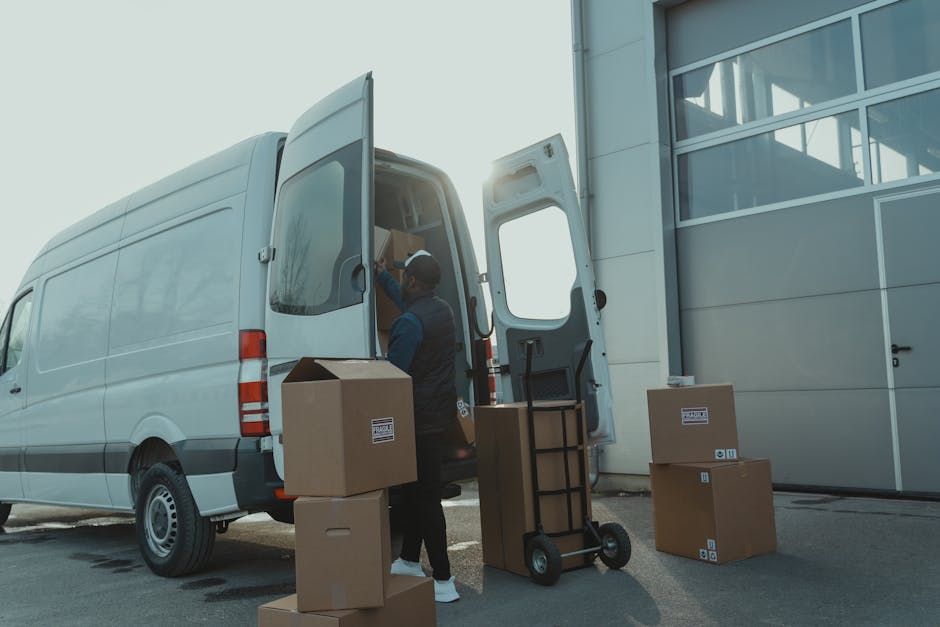
If you are planning a move around Kennington Park, the route you choose can matter just as much as the van size. A short journey on a map can turn into a slow, awkward run if you hit school traffic, narrow residential streets, or a poorly timed road closure. That is exactly why Kennington Park moving routes: fastest options for local vans deserve a closer look before moving day.
This guide breaks down the quickest practical ways to move locally, what makes some routes faster than others, and how to avoid the sort of delays that quietly eat up time and energy. We will look at route planning, access issues, loading order, timing, compliance, and the real-world decisions that make a move smoother. Truth be told, the difference between a decent move and a stressful one is often just a bit of planning.
Whether you are shifting a flat, a shared house, or a small business load, this article will help you choose the right moving approach for the area and the job.
Why Kennington Park moving routes: fastest options for local vans Matters
Local moves are often underestimated. On paper, you are only going a few streets or a short run across south London. In practice, that short trip can stretch because of traffic pinches, parked cars, narrow turns, or one-way sections that force an awkward detour. For van drivers, that is not just annoying; it can change the entire rhythm of the move.
Kennington Park sits in a busy London setting where timing and road choice really do influence the day. If you are moving furniture, boxes, or office equipment, the fastest route is not always the most obvious one. Sometimes a slightly longer road works better because it is easier to turn into, quicker to load from, or less likely to be blocked by commuters and delivery vehicles.
The key point is simple: a local van move succeeds when travel time, loading time, and access time work together. If one of those slows down, the others start to suffer too. A driver waiting for a safe space to stop may lose ten minutes. A team carrying heavy items further than expected may lose another ten. Before long, the "quick move" becomes a long afternoon.
That is why route choice matters for anyone moving near the park. It keeps the van moving, protects your schedule, and reduces the chances of rushed handling. And, let's face it, nobody enjoys circling the same block twice with a wardrobe in the back.
How Kennington Park moving routes: fastest options for local vans Works
The fastest option for a local van is rarely just one single road. It is usually a combination of the right departure time, the most suitable vehicle, the easiest loading point, and a route that avoids predictable delays. In London, those small choices stack up fast.
A practical route plan usually considers four things:
- Traffic pattern: peak commuter periods, school runs, and weekend event traffic.
- Street layout: one-way systems, tight turns, width restrictions, and where the van can safely pause.
- Loading access: whether the property has a forecourt, bay space, or only kerbside loading.
- Journey purpose: are you moving a few bulky items, or a full household load?
For example, a man and van job carrying a sofa, a washing machine, and several bags may be better suited to a direct local route with easier stopping points, while a fuller house move may work better with a slightly larger vehicle and fewer trips. If you are unsure what size fits the job, it is often worth checking a man with van option for smaller moves or a moving truck for larger loads. Different jobs, different shape of solution. Simple as that.
Another point that often gets missed: the fastest route on a map is not always the fastest route in reality. A straight line can be blocked by parking, roadworks, or a busier junction, while a slightly longer road may let the van keep rolling. Continuous movement is usually quicker than stop-start driving, especially with a loaded vehicle.
In everyday terms, think of it like this. A route that feels calm for the driver is often the route that wins overall. Less braking, fewer reversals, fewer awkward turns. That saves time and reduces stress for everyone involved.
Key Benefits and Practical Advantages
Getting the route right around Kennington Park brings more benefits than just a faster arrival. It affects cost, safety, and how manageable the move feels from start to finish.
- Less wasted time: fewer detours and fewer stops mean the van spends more time moving and less time waiting.
- Lower handling risk: if items do not have to be carried far from the van, there is less chance of knocks, trips, and strained backs.
- Better scheduling: an efficient route helps you coordinate lift access, parking, and handover times without that late-day panic.
- More predictable costs: many local moves are priced partly by time, so a smoother route can help control the final bill.
- Less stress for the customer: nobody likes standing on the pavement hoping the driver finds a space before the rain starts.
There is also a practical comfort factor. A move that flows well feels more organised, even if the flat is full of boxes and the kettle is still somewhere in the kitchen. That calm matters. It makes a long day feel shorter.
If you are comparing services, it can also help to look at support options such as home moves and packing and unpacking services. The right support can turn a route problem into a manageable logistics plan rather than a guessing game.
Expert summary: The fastest van route near Kennington Park is usually the one that reduces stopping, avoids congestion hotspots, and matches the vehicle to the street. Shorter in miles is not always shorter in time.
Who This Is For and When It Makes Sense
This topic matters most if you are planning a move where timing and access are tight. That could be a first-floor flat, a shared house, a small office, or just a few awkward items that are too heavy to shift in a car. If that sounds familiar, you are in the right place.
It makes particular sense for:
- tenants moving in or out of nearby flats
- homeowners arranging a small local relocation
- students or sharers with limited furniture
- landlords handling quick turnarounds
- small businesses moving stock, desks, or equipment
- anyone with limited parking access or strict time windows
Some moves are not complicated on the surface, but they still need careful route planning. A single bulky item can become a problem if the van cannot stop close enough. Likewise, a full property move can be delayed if the driver has to hunt around for access near a busy road. In those cases, the fastest route is part route knowledge, part common sense.
If your move is commercial, the process is a bit different again. Office items often need more coordination, especially if the building has reception procedures, loading restrictions, or fragile equipment. For those jobs, commercial moves and office relocation services are worth considering because route planning has to fit around business hours, building access, and team availability.
And if you are only moving a single sofa or a few pieces, you may not need a full removals setup. A lighter, more flexible service can be the smarter choice. Honestly, over-specifying the move is one of the easiest ways to make it slower than it needs to be.
Step-by-Step Guidance
Here is a practical way to plan the fastest local van route around Kennington Park without overcomplicating things.
- Start with the exact addresses. Don't just look at the postcodes and assume the route will be straightforward. Check whether either property is on a busy road, a side street, or a road with limited stopping space.
- Check the loading point first. The best route is the one that gets the van close to where the items will actually move. A van parked ten metres further away is not a small detail when you are carrying a heavy bed base.
- Choose a time that avoids obvious congestion. Early morning can work well for many local moves, while midday may be better if you want to dodge school traffic. It depends on the exact street, of course.
- Match van size to access. Bigger is not always better. A smaller van may be faster if the roads are tight or parking is awkward.
- Plan for a second stop if needed. If there is a narrow road or a difficult loading bay, it can help to create a separate staging point nearby. That keeps the main job flowing.
- Pack in the order of unloading. Keep essentials and first-use items accessible so you are not hunting for the kettle under a stack of box files at the other end.
- Keep the route flexible. Roadworks happen. Delivery vans stop. A route that allows one sensible backup option is usually better than a rigid plan that only works on paper.
One small but important habit: do a quick arrival check. A driver who slows down for thirty seconds to assess the kerb, turning space, and nearby traffic often saves several minutes later. That tiny pause is worth it.
If you are arranging a bigger move, you may also want a vehicle that can handle a fuller load in fewer trips. In that case, removal truck hire can be useful when the priority is reducing multiple runs rather than squeezing through the narrowest streets.
Expert Tips for Better Results
Here are the little things that tend to make the biggest difference in real moving jobs.
- Avoid the "closest road" trap. The nearest stop is not always the safest or fastest one. If the kerb is awkward or traffic is heavy, a slightly further point can be better.
- Load by weight and sequence. Put the heaviest and most stable items in first, then fill around them. It makes the van safer and easier to unload.
- Think about turning space. A route with easier turns can beat a tighter shortcut, especially in larger vans.
- Use soft packing around fragile items. Even on a short route, the van will brake, corner, and settle. Local does not mean risk-free.
- Keep keys, documents, and essentials separate. Small items go missing most easily during a rushed move. It happens. More than people admit.
- Build in a buffer. Ten to fifteen spare minutes can save the day if parking is temporarily blocked or a lift is running late.
One useful observation from day-to-day local work: the smoothest jobs usually feel boring in the best possible way. No drama, no frantic rerouting, no "we'll just carry this around the block". That is the goal. Boring is good.
If your move involves valuable or heavy items, it is also sensible to review insurance and safety information before the day arrives. The route may be quick, but protection still matters.
Common Mistakes to Avoid
Some route mistakes are easy to make because they seem minor at first. Then they cascade. Here are the ones that show up most often.
- Planning only around distance: a short journey can still be slow if the roads are clogged or difficult to access.
- Ignoring parking rules: a van that cannot stop legally or safely will cost time, and possibly more hassle than you want on moving day.
- Underestimating traffic peaks: local congestion can be sharp and uneven, especially around commuter times.
- Choosing the wrong vehicle size: too small means extra trips; too large can mean slower access and more difficulty turning.
- Not checking building restrictions: lifts, loading bays, and time slots can affect the route almost as much as the road itself.
- Leaving packing until the last minute: the route may be fast, but the move is not if the boxes are still being sealed at the door.
Another common one is forgetting that the return journey matters too. If the van must go back for a second load, the "fastest" route should be repeatable and practical both ways. That is where some people get caught out. You save ten minutes on the way out, then lose twenty on the way back because the street is busier later in the day.
For larger household moves, it is worth thinking about the whole setup, not just the drive. A strong home-move plan makes the route easier to use, not the other way round.
Tools, Resources and Recommendations
You do not need complicated software to plan a good local van route. A few reliable habits and basic tools usually do the job.
- Street-level route checking: look closely at the road layout, not just the start and end points.
- Building access notes: write down where the van can stop, where the lift is, and whether any time limits apply.
- Item inventory: know what is being moved so you can judge whether one run is realistic.
- Floor protection and straps: small equipment items make a big difference to speed and safety.
- Clear communication: a driver and customer who agree the plan in advance save time later. No guessing, no back-and-forth.
If you want help understanding pricing structure or what affects the final quote, the pricing and quotes page is a sensible place to start. That is especially useful when you are comparing a short local van job with a larger removal vehicle.
You may also want to think about what happens to packaging, unwanted items, or old furniture after the move. A little planning here can reduce clutter and save a second trip. For that side of the move, recycling and sustainability considerations can be part of a more efficient approach, even if the job itself is small.
And if you are dealing with a single item that needs collecting rather than a full relocation, furniture pick up may be a better fit than a full moving service. Sometimes the simplest option really is the smartest one.
Law, Compliance, Standards, or Best Practice
For local van moves in London, the most useful compliance mindset is straightforward: park legally, load safely, and do not create avoidable risk for pedestrians, road users, or building occupants. You do not need to overcomplicate it, but you do need to take it seriously.
In practical terms, that means checking local parking and stopping restrictions, respecting any building rules for loading areas, and making sure items are secured properly inside the van. If a move involves heavier goods or multiple loads, sensible lifting technique and good vehicle housekeeping become part of the job, not extras.
Best practice also includes clear responsibility. The person booking the move should make sure access details are accurate. The driver or mover should confirm the vehicle can safely fit the route and stop point. Both sides should know if there are stairs, narrow halls, restricted lift times, or special handling needs. It sounds basic, but basic is often where jobs go right.
Where safety and reliability matter, it is worth reviewing company policies too. Pages like health and safety policy, payment and security, and complaints procedure can help set expectations before the day begins. That kind of transparency builds trust, and frankly it saves awkwardness later.
If you are comparing providers, look for clear communication, sensible insurance arrangements, and a willingness to discuss access rather than just quoting a rough figure. A good local mover should sound measured, not vague. That is a healthy sign.
Options, Methods, or Comparison Table
Choosing the fastest option depends on the size of the move, the street layout, and how much handling is involved. The table below gives a simple comparison of common local van approaches around Kennington Park.
| Option | Best for | Speed on local streets | Access flexibility | Typical downside |
|---|---|---|---|---|
| Man and van | Small flats, single rooms, a few bulky items | Often very quick for short hops | High | May need extra trips for larger loads |
| Man with van | Flexible local moves with lighter volumes | Quick if parking is easy | High | Not ideal for full-house capacity |
| Moving truck | Large household loads, fewer trips | Fast overall if access is suitable | Medium | Can be harder on narrow roads |
| Removal truck hire | Self-managed larger moves | Can be efficient with good planning | Medium | Requires more organisation from you |
| House removalists | Full domestic moves with hands-on support | Fast in practice when the team is well coordinated | High | Usually more service-led, less DIY |
The fastest method is not the same for every move. A smaller job may be quickest with a flexible vehicle that can stop close to the property. A bigger one may be quicker overall with a larger van that reduces the number of round trips. One route. Two trips? Usually worse than one bigger, smarter load-if access allows it.
For domestic jobs where the service needs to match the property type, a more structured option like house removalists can make sense. For many local customers, that mix of route planning and hands-on loading is the real time saver.
Case Study or Real-World Example
Picture a small flat move near Kennington Park on a weekday morning. The customer has a sofa, a bed frame, a few boxes, and a couple of awkward small appliances. The first instinct might be to use the shortest route across the main roads and hope for the best.
But the driver checks the access first. One road near the property is busier because of school drop-off traffic. Another route is slightly longer but has better stopping space and easier turning. The van uses the calmer road, loads without blocking the street, and reaches the destination without a stop-start crawl through traffic.
The difference is not dramatic on a map. In real life, it is noticeable.
Because the route avoided a tight corner and awkward double-parking, the loading time was shorter too. The sofa did not need to be carried half a street from a distant parking spot. The move ended up feeling controlled rather than rushed, and the customer could get on with settling in instead of managing chaos.
That sort of outcome is common when the route is treated as part of the move, not a separate detail. Small shift, big effect.
Practical Checklist
Use this checklist before moving day to keep the route fast and the job manageable.
- Confirm both addresses and exact access points
- Check for narrow roads, one-way sections, or stopping restrictions
- Choose the right van size for the load and the street
- Plan the best loading and unloading windows
- Pack essentials separately and label fragile items clearly
- Make sure the items will fit through doors, lifts, and stairwells
- Prepare parking information for the mover or driver
- Leave a small time buffer for traffic or access delays
- Keep documents, keys, and valuables with you
- Confirm insurance, safety, and payment details in advance
Quick reminder: the best route is the one that keeps the move steady from door to door. Fast is good. Smooth is better.
Conclusion
Kennington Park moving routes: fastest options for local vans are all about practical judgement. The right road, the right vehicle, and the right timing can turn a stressful local move into a tidy, efficient job. You do not need to gamble on luck. You need a plan that suits the streets, the load, and the day.
If you take one thing from this guide, let it be this: choose the route that helps the van stay moving and the team stay organised. That usually saves more time than chasing the shortest line on a map. For local moves, that balance is everything.
Get a free quote today and see how much you can save.
And if you want the move to feel a little less like a scramble and a little more like it was meant to happen, start with the route. The rest often follows more easily than you think.
Frequently Asked Questions
What is the fastest route for a van near Kennington Park?
The fastest route depends on the exact addresses, the time of day, and where the van can safely stop. In many cases, the quickest option is the one that avoids traffic pinch points and gives the driver easy loading access, not necessarily the shortest distance.
Are local van moves around Kennington Park usually quick?
They can be, yes, especially if the load is small and the access is straightforward. But local London streets can be deceptive. A short journey can slow down if parking is tight, roads are busy, or the building access is awkward.
Should I choose a man and van or a larger moving truck?
For a small or medium local move, a man and van service is often more flexible and quicker to position. For larger loads, a moving truck may reduce the number of trips and be faster overall. The best choice depends on volume, access, and how much help you need.
What time of day is best for moving in this area?
It varies, but avoiding peak commuter periods is usually sensible. Early morning often works well for local moves, although that depends on the street and any building restrictions. Midday can sometimes be calmer, but not always. A quick access check matters more than a guess.
How do I avoid delays when parking the van?
Share access details in advance, identify a legal loading spot, and check whether there are parking restrictions nearby. If the van can stop close to the property without blocking traffic, the move is usually much faster and easier.
Do I need packing help for a local van move?
Not always, but it can save time if you have fragile items, a lot of loose belongings, or a tight moving window. Packing services are especially useful when you want to reduce confusion on the day and keep items organised for quick loading.
Is it better to take the shortest route or the easiest route?
Usually the easiest route. A slightly longer road with better access, smoother turns, and less traffic can be quicker in real time. The shortest route on a map is not always the fastest for a van.
What should I do if the road near my property is too narrow?
Use a nearby stopping point if it is safe and legal, then plan the carry distance carefully. In some cases, a smaller vehicle or a different loading arrangement works better. This is where practical route planning makes a real difference.
Are there safety issues with moving heavy items locally?
Yes, even short moves can create lifting and carrying risks. Heavy items should be secured properly in the van, and loading should be done with care. Good handling and a clear route reduce the chance of damage or injury.
How far in advance should I plan the route?
Ideally, a few days before the move if you can. That gives you time to check access, timing, and any likely pinch points. Even for a simple local job, early planning removes a lot of last-minute pressure.
Can a local route still be affected by weather?
Absolutely. Rain, wind, and poor visibility can all slow loading and unloading, especially if there is a long carry from the van to the door. Wet pavement and slippery steps also increase the need for careful handling.
What is the biggest mistake people make with local van moves?
Assuming the move will be simple just because it is local. In reality, access and timing matter just as much as distance. The best way to avoid trouble is to plan the route, confirm the stop point, and choose the right vehicle for the street.