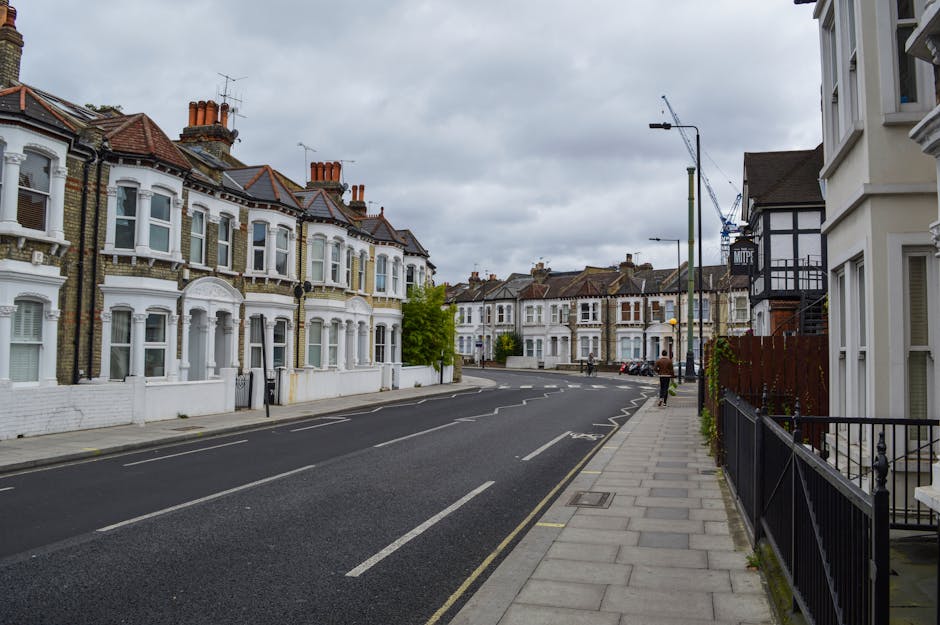
SE11 Removals: Where to Park and Load in Kennington
If you are planning a move in SE11, the biggest difference between a smooth removal and a stressful one often comes down to something very unglamorous: where the van can park, how long it can stay, and how safely you can load. In Kennington, that matters even more. Streets can be busy, residential parking can be limited, and a perfectly good moving plan can unravel fast if the vehicle ends up circling for space while the clock keeps running.
This guide explains SE11 removals: where to park and load in Kennington in plain English. You will find practical guidance on parking choices, loading arrangements, timing, access issues, and the common local mistakes people make when moving in this part of South London. If you want a move that feels controlled rather than chaotic, this is the place to start.
For readers comparing broader moving support as well, it can help to understand the full service picture first. You may also find our pages on removals, packing services, and house removals useful when planning the wider move.
Table of Contents
- Why SE11 removals: where to park and load in Kennington Matters
- How SE11 removals: where to park and load in Kennington Works
- Key Benefits and Practical Advantages
- Who This Is For and When It Makes Sense
- Step-by-Step Guidance
- Expert Tips for Better Results
- Common Mistakes to Avoid
- Tools, Resources and Recommendations
- Law, Compliance, Standards, or Best Practice
- Options, Methods, or Comparison Table
- Case Study or Real-World Example
- Practical Checklist
- Conclusion
- Frequently Asked Questions
Why SE11 removals: where to park and load in Kennington Matters
Parking and loading are not side issues. They are the operational core of any urban move. In Kennington, where streets may be narrow, parking bays can be heavily used, and access can be affected by local traffic patterns, your loading plan affects everything from labour time to breakage risk.
A removal van that can park close to the property means fewer trips, less lifting, and less chance of damage on the stairs, path, or pavement. It also means the crew can work in a more predictable rhythm. That matters whether you are moving from a flat near Kennington Park, a terrace off a busy road, or a property tucked into a quieter residential street.
There is also a cost angle. If the team cannot load near the property, the move takes longer. More time usually means more labour cost, more pressure, and a less relaxed day. Nobody wants the final memory of moving day to be a van idling down the road while everyone debates who is carrying the sofa.
Good parking and loading planning also helps with neighbour relations. A tidy, well-managed move is less likely to block driveways, upset residents, or create avoidable friction. That is especially valuable in close-knit streets where people notice when a move is handled badly.
Expert summary: In SE11, the best removal plans are rarely the flashiest ones. They are the ones that quietly solve parking, loading distance, access width, and timing before moving day arrives.
If you are arranging a local move and want a cleaner handover from planning to execution, our man and van service and office removals pages show how different move types change the parking strategy.
How SE11 removals: where to park and load in Kennington Works
The process is straightforward once you break it down. First, assess the property and the street. Then decide where the vehicle can stand legally and practically. After that, plan the loading route from front door to van. Finally, confirm timing so your parking arrangement matches local conditions on the day.
In practical terms, there are usually four moving parts:
- Vehicle position: where the van can stop without causing a blockage or forcing unsafe lifting distances.
- Loading access: how many steps, doors, gates, corners, or tight turns the crew needs to handle.
- Timing: whether the street is quiet enough for loading at your planned hour.
- Permissions or restrictions: whether any local parking controls, bay rules, or access limitations apply.
For a ground-floor property with a suitable frontage, loading can be simple: the van parks as close as possible, equipment is brought out, and the team loads methodically. For a top-floor flat in a narrower Kennington street, the plan may involve a slightly longer carry, more careful spacing, and extra attention to protecting walls and flooring.
It is worth separating parking from loading. A place to park is not always a place to load safely. The vehicle might fit, but if the rear doors cannot open properly or the pavement is too tight for trolleys, the plan still needs adjusting.
That is why experienced removals teams think in routes rather than just spaces. They ask: how far is the carry? Is there room to manoeuvre? Can furniture be brought out in the right order? Is the street likely to stay clear long enough? These questions are simple, but they save a surprising amount of stress.
Key Benefits and Practical Advantages
Good parking and loading arrangements offer benefits that go well beyond convenience. They improve efficiency, reduce wear and tear, and lower the chance of moving day drama.
- Less lifting distance: Shorter carries mean less fatigue and lower risk of dropped items.
- Faster loading: If the van is correctly positioned, the team can work more quickly and safely.
- Reduced disruption: Sensible parking reduces the chance of blocking neighbours or local traffic.
- Lower damage risk: Fewer awkward turns through halls, porches, or narrow entrances.
- Better time control: A well-planned stop keeps the schedule steadier and more predictable.
- More orderly packing: Items can be loaded in the right sequence, making unloading easier later.
There is also a mental benefit. Once the parking plan is settled, everything feels more manageable. You can focus on labelling, final checks, and the handover rather than worrying about whether the van will end up several doors away.
For people moving expensive furniture, instruments, or sensitive office equipment, parking and loading quality can be the difference between a calm move and a nerve-wracking one. That is especially true where the route from property to van includes stairs, shared entrances, or limited pavement space.
Who This Is For and When It Makes Sense
This guidance is relevant if you are moving house, relocating a flat, shifting furniture, or coordinating a business move in Kennington or the wider SE11 area. It is especially useful if your property has limited frontage, restricted parking, or awkward access.
You will find it most helpful if you are:
- moving from a flat or maisonette with stair access
- staging a same-day collection and delivery
- working with a smaller van that needs precise positioning
- moving bulky items such as sofas, wardrobes, beds, or office desks
- planning around residents' bays, controlled parking, or loading restrictions
- trying to minimise disruption in a busy street
It also makes sense for landlords, letting agents, and property managers who want to reduce complaints on move day. A clear loading plan keeps everyone calmer and avoids the all-too-familiar "the van's here, but it can't stop anywhere" problem.
If your move involves storage, our storage solutions page may help you plan temporary overflow items, while furniture removals can be useful if you are moving large single pieces rather than an entire household.
Step-by-Step Guidance
Here is a practical approach to planning where to park and load in Kennington. It is simple, but it works.
1. Check the street layout before move day
Look at the property frontage, road width, pavement space, and whether there are any obvious obstacles such as trees, railings, lamp posts, or parked cars. If the street is tight, assume you will need a fallback plan. That way you are not making decisions under pressure.
2. Measure the carry distance
You do not need surveyor-level precision. A rough estimate is usually enough. Ask yourself: how many metres from the front door to the likely parking spot? Are there steps? Will a trolley fit? If the carry is longer than expected, schedule a little extra time.
3. Decide what has to be loaded first
Large items should usually be staged sensibly so the van can be loaded in a stable order. Heavy pieces often go first, followed by boxes and lighter items. Fragile items need their own logic, not just a spot wherever there is space.
4. Confirm parking options in advance
Where parking is limited, do not leave the question until the morning of the move. Check local restrictions, visitor options, and whether a bay suspension or permit-based approach is needed. If you are unsure, ask a professional mover who knows the area. A local team will often spot issues that are easy to miss from the driveway at home.
5. Protect the route
Use floor protection, door protection, and simple corner guarding where necessary. It might feel a bit overcautious at first, but it is far cheaper than repairing a scuffed wall or chipped bannister later.
6. Keep the loading point clear
Once the van is in position, keep the route free of loose bags, children's toys, pet bowls, recycling, and anything else that becomes a trip hazard at exactly the wrong moment. A tidy route is a safer route.
7. Build in a buffer
In London, plans can change quickly. A parked car may already be in the spot you expected, roadworks might appear, or a neighbour may need access. A small buffer can keep a minor inconvenience from becoming a full-day delay.
In other words, plan for the move you hope to have, but prepare for the one the street actually gives you.
Expert Tips for Better Results
These are the kinds of details that separate a decent move from a genuinely smooth one.
- Use the closest legal stopping point, not just the closest possible one. A space that creates conflict or danger is not a win.
- Stage items by weight and fragility. That keeps loading efficient and reduces the chance of rehandling.
- Keep a direct line of sight if possible. It helps the crew communicate when navigating tight spaces or stairs.
- Protect traffic flow. In busy SE11 streets, a tidy loading pattern is more important than bravado.
- Have keys, labels, and access details ready. Many delays start with missing basics, not with parking itself.
- Think about unloading too. The best loading setup also makes the destination easier to manage.
A practical example: if you are moving from a first-floor flat with a narrow hallway, place the van so the carry is short and straight if you can. The difference between a crooked route around three tight corners and a direct run to the vehicle can be huge by the tenth box. Your back will notice. So will the clock.
For more move planning support, our student removals and packing materials pages can help if you are balancing budget, speed, and protection.
Common Mistakes to Avoid
Most problems in local removals are preventable. The trick is knowing what people commonly overlook.
- Assuming parking will be easy because the street looks calm. Quiet does not always mean available.
- Ignoring loading distance. Even a short-looking walk can become awkward with furniture and boxes.
- Leaving parking decisions to the last minute. This is where stress multiplies fastest.
- Forgetting about neighbours and access routes. Shared entrances and driveways need extra care.
- Blocking the van with loose clutter. The "we'll just move that later" approach is a classic moving-day trap.
- Not matching vehicle size to access. Bigger is not always better if the street cannot comfortably accommodate it.
Another easy mistake is overfocusing on the front door and forgetting the full chain of movement. A flat may have a good entrance but a difficult stairwell. A house may have a perfect frontage but awkward kerb access. The whole route matters.
Tools, Resources and Recommendations
You do not need a warehouse full of equipment to move well, but a few practical tools make a real difference.
| Tool or Resource | Why It Helps | Best Use |
|---|---|---|
| Furniture blankets | Protect items and reduce abrasion | Tables, wardrobes, cabinets |
| Trolley or sack truck | Reduces lifting and speeds up carry | Boxes, appliances, heavier loads |
| Door and floor protection | Keeps routes safe and tidy | Hallways, entrances, stair edges |
| Labels and markers | Improves unloading order | Room-by-room organisation |
| Measuring tape | Useful for tight access checks | Furniture width, doorways, carry routes |
| Phone notes or checklist | Keeps timing and parking details together | Move-day coordination |
As a rule, the best resource is a clear plan. Equipment is helpful, but good sequencing and local awareness usually matter more. If you are unsure about the scale of the job, browsing service information first can help you match the right support to the property. Our flat removals page is especially relevant for SE11 homes with stair access or limited loading space.
Law, Compliance, Standards, or Best Practice
Parking and loading in London can involve local restrictions, permits, and practical street rules. Because rules can vary by road, borough, time of day, and vehicle type, it is sensible to check the specific location rather than relying on assumptions from another move.
At a minimum, good practice means:
- parking only where the vehicle can stop safely and legally
- avoiding obstruction to emergency access, driveways, and essential access routes
- respecting neighbours, pedestrians, and cyclists
- following any local parking controls, bay restrictions, or time limits
- using appropriate care when loading near the public highway
If you are arranging a formal move, especially in a controlled or busy area, you may need to look into local parking permissions or temporary access arrangements. Requirements can differ, so it is best to treat this as a location-specific admin task rather than a one-size-fits-all rule.
Best practice also extends to safety. The team should avoid lifting in a way that risks injury, should keep pathways reasonably clear, and should not create unnecessary hazards around the van. That sounds obvious, but on a busy street it is easy for people to rush and skip the basics.
If you want a removals provider that handles home moves with care and local awareness, our domestic removals and packing service pages outline common standards and what to expect.
Options, Methods, or Comparison Table
Not every move in Kennington needs the same loading method. The right choice depends on access, timing, and how much you are moving. Here is a simple comparison.
| Method | Best For | Strengths | Limitations |
|---|---|---|---|
| Kerbside loading | Clear frontage and short carries | Fast, efficient, simple | Not always possible in busy streets |
| Bay-adjacent loading | Properties near controlled parking | Practical if timed well | May require planning and careful timing |
| Short-distance carry from side street | Tight central roads with limited stopping room | Can be workable with good staging | Slower and more labour-intensive |
| Double-crew staging with trolleys | Heavier household or office moves | Efficient for bulky items | Needs more coordination and space |
In real life, a move may combine more than one method. For example, you might load the first part of the van from the kerb and then bring in awkward items from a slightly longer carry. Flexibility is often the difference between a good and a frustrating outcome.
Case Study or Real-World Example
Consider a typical SE11 flat move near a busy Kennington road. The property is on an upper floor, the hallway is narrow, and the street has a steady flow of parked cars. At first glance, the move looks straightforward enough. But once the van arrives, the obvious stopping point is already taken.
The team adjusts by using a nearby legal stopping area, setting the loading route early, and moving the most awkward items first while the access is clear. Boxes are staged by room, the staircase is protected, and lighter items are used to fill the gaps in the van after the heavy furniture is secured.
The result is not dramatic, and that is exactly the point. The move stays controlled. Nothing is rushed. Nothing is dragged further than necessary. The resident avoids last-minute arguments over parking, and the crew finishes with less strain than they would have had if they tried to "make it work" in the wrong place.
This is what good planning looks like in practice. Not perfect conditions. Just sensible decisions, made early.
Practical Checklist
Use this checklist before moving day if you want a smoother parking and loading setup in Kennington.
- Confirm the exact moving date and arrival window
- Check whether the property has any access restrictions
- Review the street layout and likely parking options
- Estimate the carry distance from door to van
- Identify stairs, tight corners, or narrow entrances
- Sort out any required parking permission or local checks
- Prepare labels for boxes and furniture
- Protect floors, walls, and doorways where needed
- Stage items so the heaviest loads are ready first
- Keep keys, contact details, and instructions close at hand
- Leave a little buffer for unexpected delays
- Brief everyone involved so nobody is guessing on the day
If you can tick most of those off before the van arrives, you are already ahead of the game.
Conclusion
Parking and loading may not be the most exciting part of a move, but in SE11 they are often the part that decides whether the day feels calm or chaotic. In Kennington, the best removal plans are built around access, timing, and practical street awareness. Get those right, and everything else becomes much easier.
The key is simple: think ahead, measure the route, match the vehicle to the street, and keep the loading area organised. Whether you are moving a flat, a house, or a business space, those basics reduce risk and save time.
If you are preparing for a local move and want help choosing the right approach, the safest next step is to speak with a removals team that understands SE11 streets and can plan the loading properly from the start.
Get a free quote today and see how much you can save.
Frequently Asked Questions
Where is the best place to park a removals van in Kennington?
The best place is usually the closest legal stopping point that allows safe loading without blocking access or creating unnecessary carry distance. The exact spot depends on the street, bay availability, and the size of the vehicle.
Do I need permission to park for a house move in SE11?
Sometimes, yes. It depends on local parking controls and whether your move affects controlled bays or restricted spaces. It is sensible to check the specific road and timing well before move day.
Can a removals van load directly outside my property?
Often it can, but not always. In Kennington, parked cars, road layout, and parking restrictions may prevent direct access. A good plan should include a backup option in case the preferred space is taken.
What if my street is too narrow for a van to stop safely?
If the street is tight, the team may need to use a nearby legal loading point or a side street and carry items the remaining distance. That is common in urban moves and is manageable with proper planning.
How do I reduce moving time if parking is difficult?
Stage items in order, keep the loading route clear, use trolleys where suitable, and make sure the van is positioned as close as the street allows. Good sequencing matters more than rushing.
Is it better to use a bigger van for a move in Kennington?
Not always. A bigger van may carry more, but it can be harder to park and position on a busy street. Sometimes a slightly smaller vehicle is actually more efficient because it fits the access better.
What should I do if another car is in the space I planned to use?
Have a fallback option ready. In busy areas, parking spaces are not guaranteed, so a second-best location or nearby side street can save time and stress.
How far is too far for carrying furniture from the property to the van?
There is no single rule, but longer carries increase fatigue, time, and risk. If the route feels awkward for one person to repeat many times, it is probably worth reassessing the loading plan.
What items should be loaded first on moving day?
Usually the heavier, sturdier pieces go first, followed by well-labelled boxes and then more delicate items, depending on the plan. The aim is to create a stable load and make unloading easier later.
Can movers help with parking and loading advice before the move?
Yes. Experienced local movers often help you think through access, timing, and vehicle positioning before the day itself. That guidance can be especially useful if you are moving from a flat or a busy street.
What happens if the property has stairs and limited frontage?
The team will usually work with a shorter or longer carry depending on where the van can safely stop. Stairs and limited frontage simply mean the loading plan needs to be more carefully organised.
How early should I plan parking for a Kennington removals job?
As early as possible. Parking and loading plans are much easier to solve before move day than during it, especially in an area where on-street space can change quickly.